
For a long time, being alone has carried a bad reputation. If you’re in your 20s and choosing solitude, people whisper that you’re “isolating” or “missing out.” If you’re older and choosing it, people assume something went wrong in your life or worse, that you’ve stopped trying.
Here’s the thing: that narrative is outdated. Quietly, but with a punch, mental health research and life experience are proving what many women already know: solitude isn’t a symptom of failure. It’s a skill. A power move. A reset button you didn’t realize you needed.
Loneliness vs. Solitude: Let’s Get This Straight
Here’s the distinction that so many people get wrong:
- Loneliness is painful. It’s the gap between the connection you want and the connection you actually have. It aches. It nags. It can feel endless.
- Solitude is intentional. It’s choosing to be with yourself, fully, without needing validation or distraction. It’s reading, journaling, and dancing like no one’s watching, or yes, watching you, but still owning your space.
You can feel lonely in a crowded room.
You can feel deeply content when you’re completely alone.
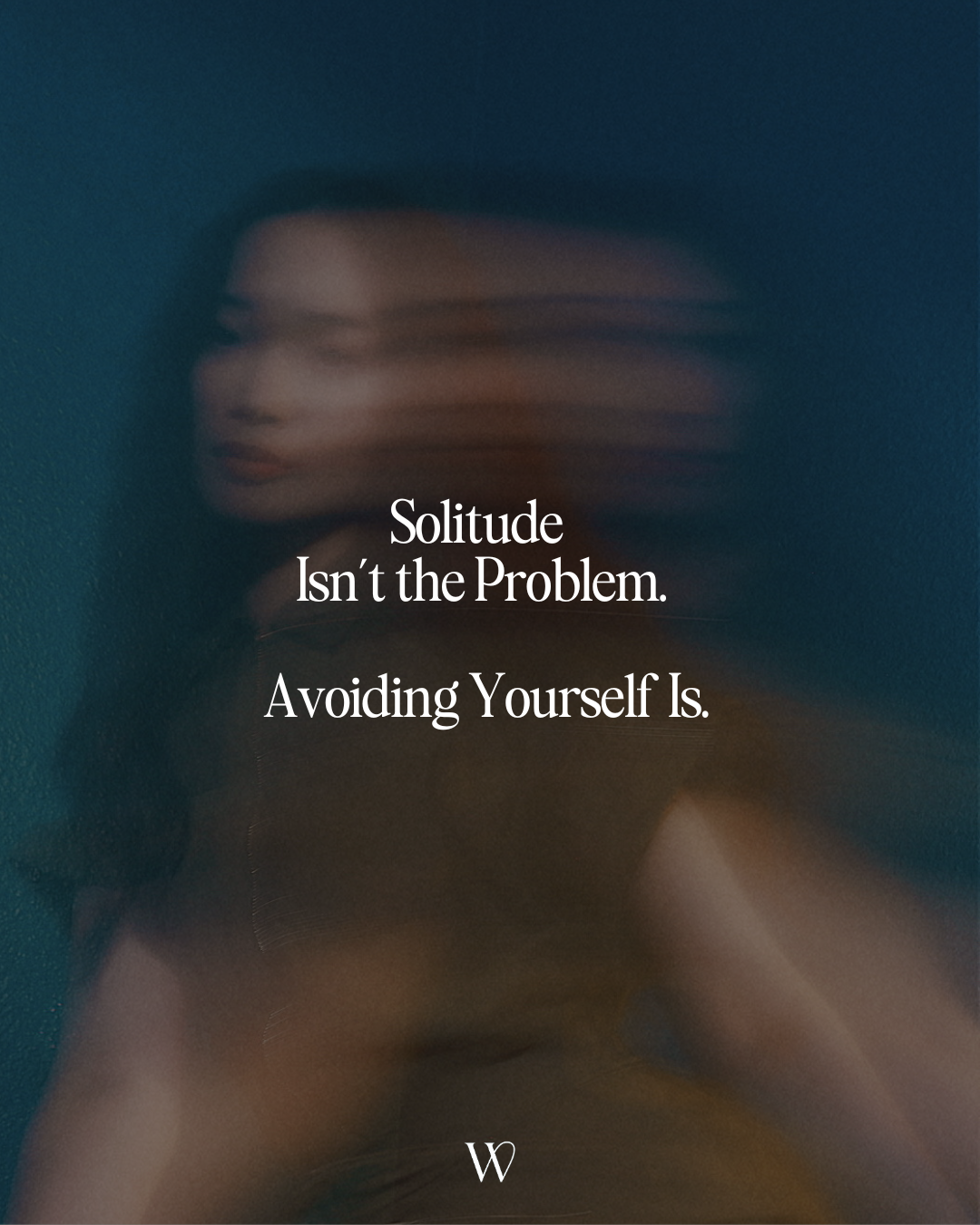
Treating these two as the same is a disservice. Solitude is not the enemy. Avoidance, denial, or filling every quiet moment with noise? That’s the villain.
Why Solitude Builds Mental Muscle
When the world slows down, something inside you speeds up: self-awareness.
Solitude removes the constant external cues telling you how to feel, who to be, and what you should want. When no one is watching, you start noticing patterns you usually ignore: the thoughts that loop endlessly, the triggers that make you snap, and the desires that are authentically yours, not just social programming.
This is where mental health strengthens. Not by avoiding emotions, but by facing them without outsourcing the job to a friend, partner, or endless scroll of social media.
Emotional resilience grows here. It’s the quiet knowledge that you can survive a tough day, a messy breakup, or a career wobble, all on your own. And no, that doesn’t make you cold; it makes you capable.
For Women in Their 20s: You’re Not “Missing Out”
If you’re in your 20s and choosing solitude, let me be blunt: you’re not behind. You’re ahead.
You’re learning how to enjoy your own company before life starts demanding it from you. You’re building self-trust before responsibilities, relationships, and social pressures pile up.
Solitude teaches discernment. You stop chasing connections that drain you and start choosing the ones that fill you. You stop performing for approval and start performing for joy. That’s not antisocial; it’s foundational.
And yes, this applies to the nights you spend binge-watching alone, the walks you take with just your thoughts, or the journal pages filled with no audience but yourself. You’re practicing a skill most people won’t learn until much later in life: self-possession.
For the “Oldies”: Solitude Isn’t Withdrawal
To the skeptics who equate quiet with failure: listen. Solitude isn’t a retreat from life. It’s a strategy to engage with life better.
People who master being alone aren’t disengaged. They show up stronger, calmer, and more focused. They don’t react impulsively to noise, drama, or peer pressure. They’ve learned the subtle, powerful difference between attention and connection.
It’s not detachment. It’s maturity. And it’s the kind of energy that makes everyone around you notice, but not because you’re performing. You simply exist fully.
Creativity and Clarity: The Unsung Gifts of Solitude
Ever notice how your best ideas arrive in the shower, on a long walk, or while staring at the ceiling at 2:00 AM?
That’s no coincidence. Creativity and clarity need space. They need silence, not schedules. Solitude is like fertile soil for thoughts that otherwise get trampled by endless pings, meetings, and expectations.
When you give yourself room to breathe, your mind stretches. Ideas flow. Insights land. Solutions appear. And most importantly, you start hearing your own voice again.
Solitude as a Radical Act of Self-Respect
Let’s be clear: choosing solitude in a world obsessed with constant connection is quietly rebellious. It says, “I will not abandon myself for anyone or anything”.
This is not about avoiding people. It’s about choosing yourself first. It’s about listening, learning, and resting without guilt.
Solitude is a reset. A recharge. A reminder that your mental health does not depend on other people filling your empty moments. It depends on you fully showing up, even when no one is watching.
And for those who think being alone is scary, uncomfortable, or shameful, try reframing it. Solitude is not a punishment. It’s a privilege. And wielded wisely, it’s very WYLD energy.