
Something has shifted. Not with a press release parade. Not with the kind of applause that disappears after the panel ends. But with the kind of change that keeps showing up, day after day, whether or not anyone is ready for it.
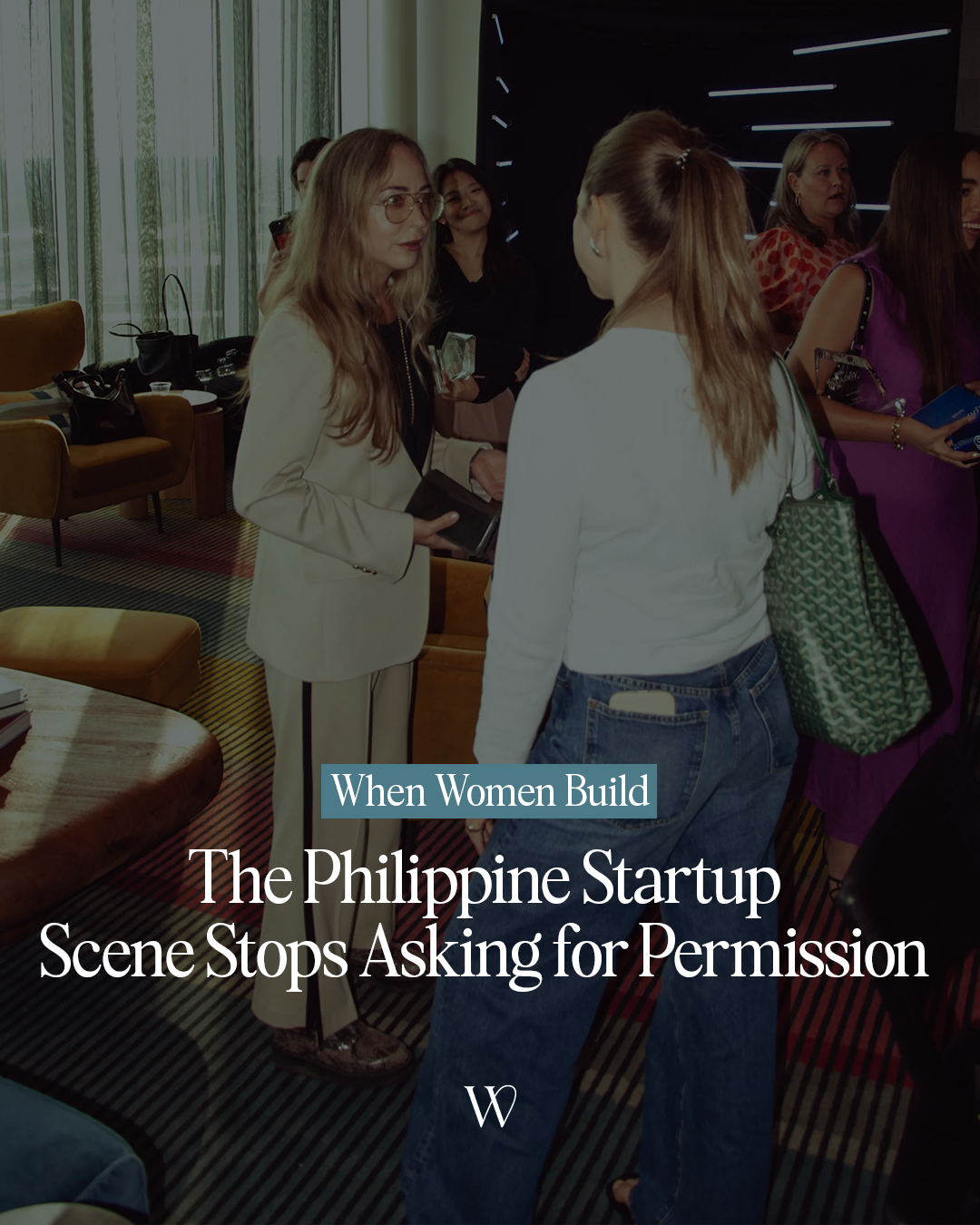
Across the Philippines, women aren’t “entering” entrepreneurship anymore. That framing is tired. They’re building companies because problems need solving, markets are underserved, and frankly, waiting has never been an efficient strategy. From healthcare access to digital tools for small businesses, Filipina founders are creating ventures rooted in lived reality. Not pitch-deck theater. Not innovation cosplay. Real solutions, built by people who understand the gaps because they’ve lived inside them. BusinessWorld Online has been paying attention. So should everyone else.
This is not a side story. It’s a recalibration of who gets to define ambition, leadership, and success in the Philippine startup ecosystem.
The Landscape Today
Let’s not romanticize it. The barriers are real.
Limited access to capital, familiar gender biases in funding rooms, and the unspoken requirement to prove credibility twice over are still part of the terrain. According to industry data cited by BusinessWorld Online, women-led startups in Southeast Asia continue to receive only about 2.1 percent of equity deal funding. That number alone tells a story. Not a flattering one.
And yet, Filipina founders keep building anyway.
Those who have cracked the code are not just surviving. They’re setting benchmarks for resilience, scale, and impact.
A few standouts worth knowing:
- Edamama. A lifestyle and baby gear marketplace founded by Bela Gupta D’Souza that has drawn tens of millions in funding and been spotlighted as one of the Philippines’ most promising startups.
- Kindred. A femtech company connecting Filipinas with healthcare services both online and in person, led by Jessica de Mesa-Lim.
- Enstack. An AI-driven business platform co-founded by May Castillo that now supports over 130,000 entrepreneurs, with women making up roughly 70% of its user base.
- FoundHer. Not a product company, but a movement and community built by Niña Terol and Candice Quimpo. FoundHer seeks to reshape startup culture, empower women founders through events like the FoundHer Summit, and build networks that didn’t exist before.
These names aren’t random highlights. They’re proof that women are not just participating in the ecosystem. They’re designing it.
Beyond Numbers: Culture and Collaboration
What makes this rise different isn’t just the count of women founders. It’s the leadership style quietly rewriting the rules.
Many women-led startups prioritize collaboration over hierarchy, mission over margin, and community over competition. Profit still matters, let’s be clear. But not at the expense of resilience, inclusion, or long-term value. That philosophy shows up everywhere, from brand voice to customer experience to internal culture.
Programs like Startup Pinay under QBO Innovation Hub are specifically designed to elevate women founders by offering mentorship, networking, and capacity building, steps toward closing gender norms in business leadership.
Meanwhile, organizations like WEConnect International and the Philippine Women’s Economic Network are partnering to expand market access and opportunities for women-owned enterprises, bringing global buyers into the conversation.
This is what structural support looks like when it moves beyond slogans.
The Harder Roads, the Sweeter Wins
Progress doesn’t erase friction.
Women founders continue to navigate uneven digital infrastructure, financing gaps, and social expectations that somehow still ask them to be both fearless and agreeable. Initiatives like the APEC-linked policy workshops in Quezon City signal a growing recognition that inclusive growth needs more than applause. It needs policy, access, and follow-through.
Here’s the difference now. The pain points are no longer whispered. They’re being named, discussed, and addressed in rooms where decisions are made.
That’s how ecosystems change. Not overnight, but deliberately.
The Meaning Behind the Movement
At its core, this rise is about agency:
- Women choosing to build rather than wait.
- To lead rather than fit in borrowed templates.
- To design businesses that reflect lived realities, not borrowed blueprints.
Because when women lead, the ecosystem doesn’t just grow. It flexes. It becomes more adaptive, more equitable, and more responsive to the people it serves.
The rise of women-led startups in the Philippines isn’t a fleeting trend or a diversity footnote. It’s a recalibration. A quiet revolution, steadily redrawing the map of possibility.
And if the past few years are any indication, it’s only just getting started.