
We’re far from living in an ideal world, especially for women. There’s still plenty of sexism and discrimination experienced by women worldwide, not to mention the fact that we’re barely scratching the surface in leveling the field for both men and women.
In the 21st century, there are still a few countries that do not allow women to vote in elections. There are still some countries that limit married women’s ownership of bank accounts and allow their properties to be controlled and sold by their husbands without their permission.
But while there’s still a lot more work to do, we’ve also made significant progress.
Countries like Belgium, Canada, Denmark, France, Greece, Iceland, Ireland, Latvia, Luxembourg, Portugal, Spain, Sweden, Germany, and the Netherlands grant women equal legal rights as men. In 2026, they are the only countries in the world to grant this level of legal equality, which is a groundbreaking progress given the limited rights that women in other countries still have.
Gender-based violence is addressed in Burundi, Comoros, Rwanda, and Zambia, with laws that protect women against workplace sexual harassment and domestic violence. The Philippines is also catching up with the Magna Carta of Women, a law that aims to eliminate discrimination against women through measures for ensuring equal employment opportunities and introducing special leave benefits for gynecological surgeries.
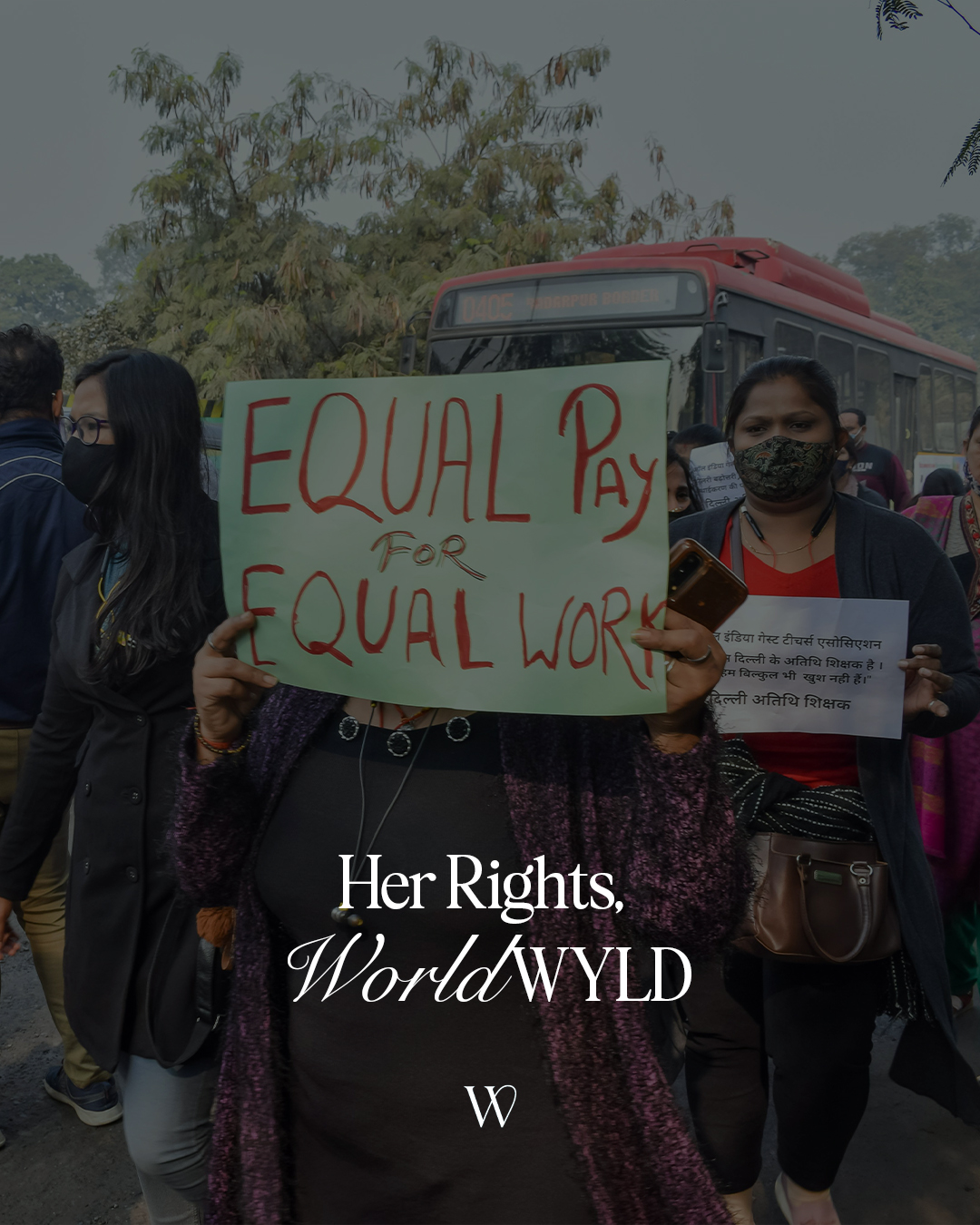
Aside from encouraging equal opportunity, countries such as Albania, Belgium, Bolivia, Liberia, Libya, Mauritius, Montenegro, Serbia, South Africa, Vietnam, and Zambia introduced laws that mandate equal pay for men and women, especially for work of equal value.
Countries such as the United States of America, Canada, Togo, Sierra Leone, the Democratic Republic of Congo, Gabon, Kenya, Pakistan, and Vietnam have also enacted laws that prohibit gender-based discrimination in access to credit. This means that women are empowered to receive the same financial services as men, without the need for their husbands’ permission to open bank accounts and apply for loans.
Aside from empowering women to have a safe working environment, receive equal pay, and access financial services, there are also countries that nurture female business owners.
Belgium, Canada, Denmark, France, Latvia, Luxembourg, and Sweden provide full legal, workplace, and entrepreneurship rights to women. The United States, Australia, Germany, and Thailand are also catching up in powering female business owners through reforms passed that support paid parental leave and non-discrimination in financial access for aspiring business owners.
To measure progress, the United Nations has a Gender Inequality Index, a metric that measures mortality, teen births, secondary education attainment, and labor participation in countries. It has a rating of 0 (which means women and men fare equally) to 1 (which means women are a disadvantaged as possible).
While it’s gratifying to see so many countries take action towards protecting and empowering women, there’s still a long way to go to achieve gender equality across nations. Based on the most recent data of the UN’s GII in 2023, Denmark has achieved the highest score. But at a 0.003 score, they still haven’t achieved a perfect score in service of their country’s women.
Despite these laws existing to protect women worldwide, there are still challenges faced in ensuring they’re implemented successfully. Some countries lack specific legislation to aid women-related issues, such as domestic violence. While some countries have laws that protect women and their rights, they may have weak enforcement or a lack of funding. Worse, some countries are burdened by corruption that prevents the effective enactment of these laws.
The progress we’ve seen shows what’s possible when equality is prioritized, but it also highlights how far we still have to go. Until laws are matched by action and rights are protected without compromise, gender equality remains a promise rather than a reality. The challenge now is not just to celebrate progress, but to demand consistency, accountability, and lasting change for women worldwide.
Sources:
- https://www.weforum.org/stories/2023/03/only-14-countries-have-full-equal-rights-for-women/
- https://equalitynow.org/news/press-releases/new-report-finds-sexist-laws-persist-worldwide/
- https://www.one.org/stories/gender_equality_laws/
- https://populationconnection.org/blog/what-are-the-top-countries-for-gender-equality/
Bio:
Sanne is a marketer by profession and a writer by passion. When she’s not working, she’s either working through her TBR pile, planning her next trip, or forcing her cats to cuddle.