
When you think of today’s most famous companies, you likely also think of the leaders who built them. Apple? Steve Jobs. Facebook? Mark Zuckerberg. Amazon? Jeff Bezos.
One thing seems glaring: they’re all men.
And that’s not because men are the better entrepreneurs. It’s just that historically, women have lacked the opportunity to work, lead, and start their own empires.
But that’s slowly changing.
In 2025, the number of women running Fortune 500 companies hit a new high, with 55 women CEOs leading the United States’ biggest firms.
According to Gusto Insights, women started almost half of the new businesses in the US, which marked a 69% increase from 2019.
And we know that women, when given the chance to start their own businesses, can grow them into billion-dollar companies.
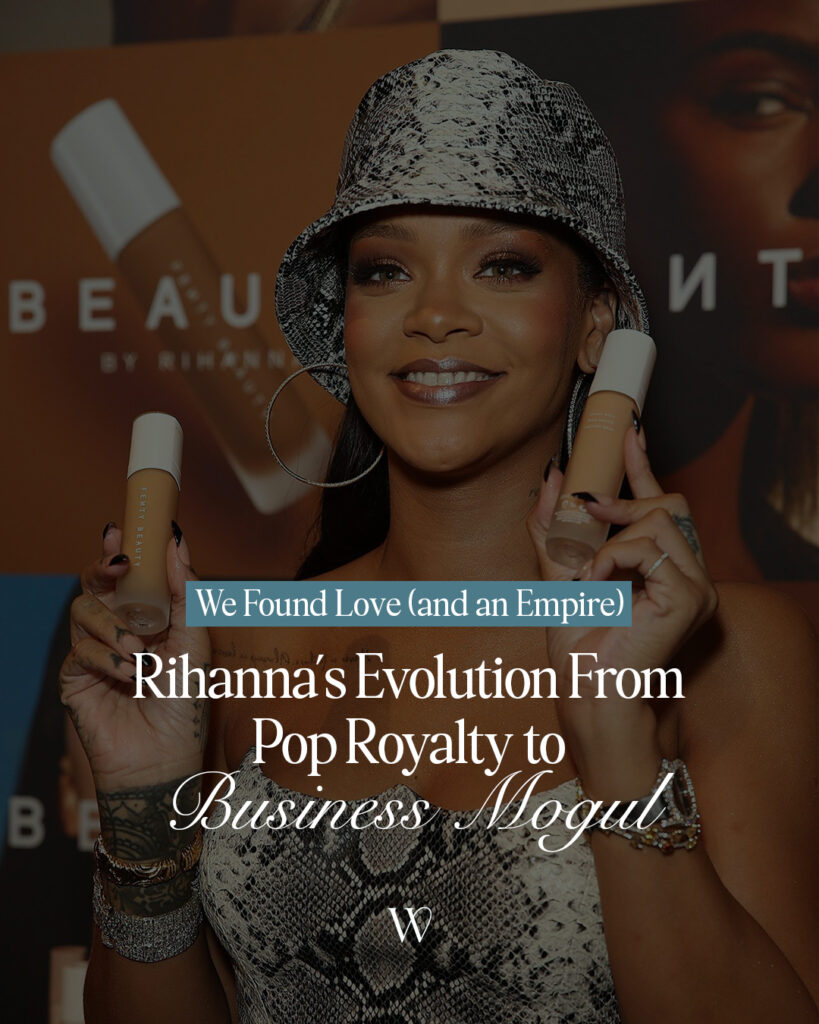
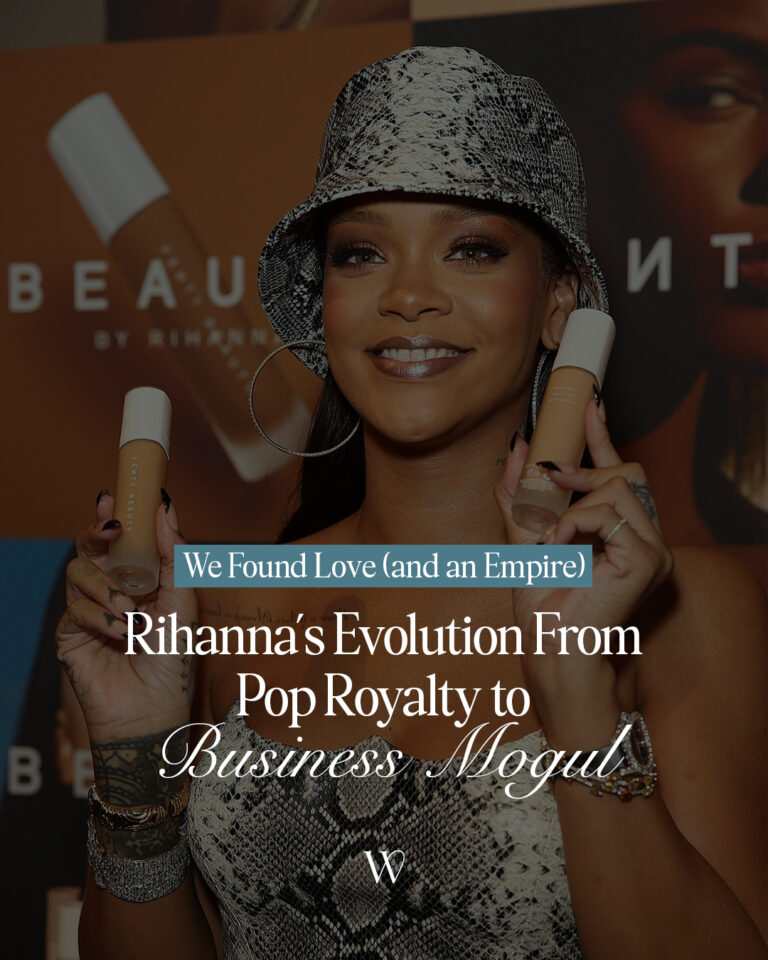
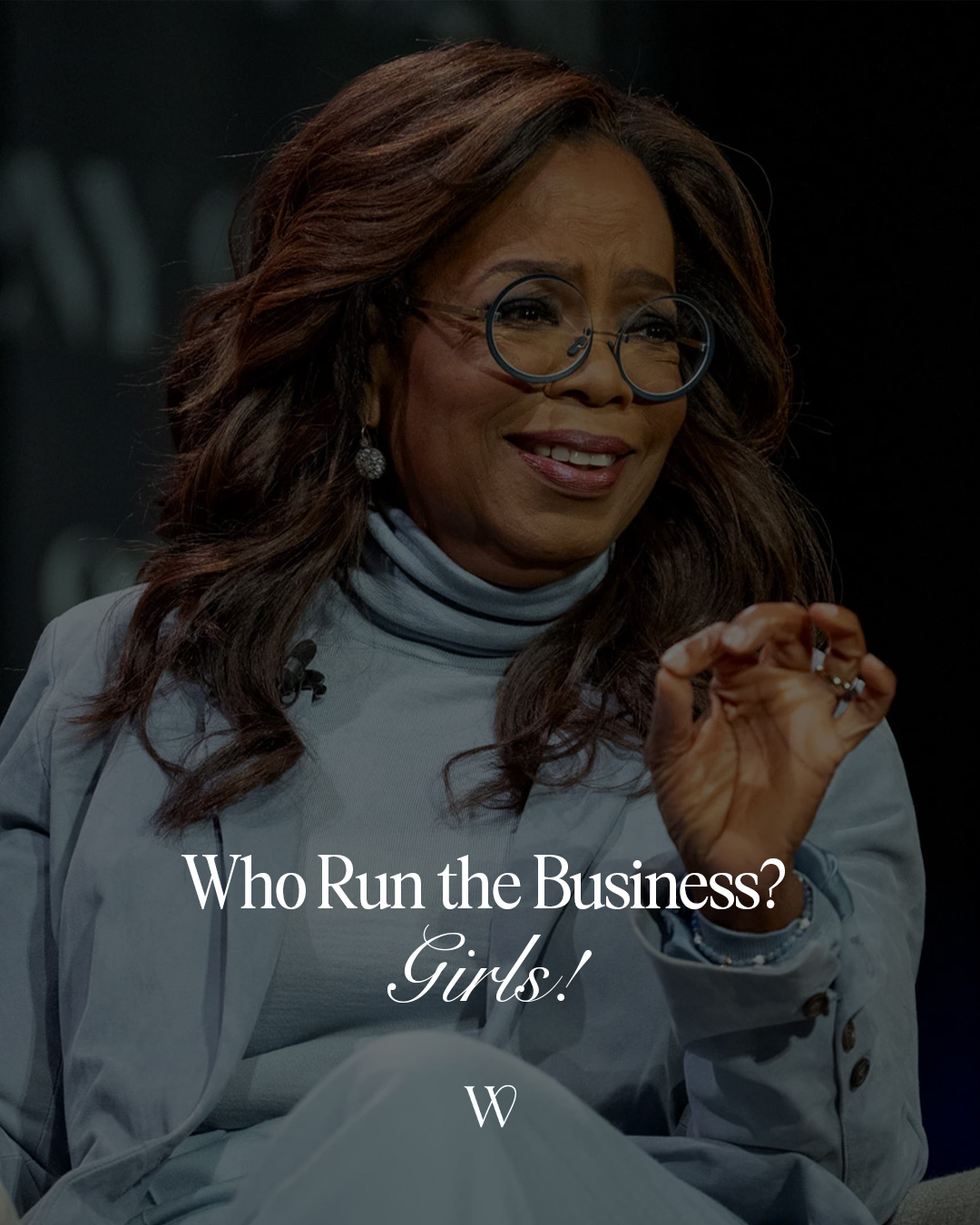
Take Oprah, a media mogul who cemented her legacy beyond her talk show host, as she founded OWN (Oprah Winfrey Network). Rihanna, already a successful singer, created Fenty Beauty, which championed inclusivity in the beauty industry. Tory Burch and Kate Spade both made bags that are not only beautiful but relatively accessible.
Beyond makeup, bags, and media, female entrepreneurs are also making waves in traditionally male-dominated fields like finance and technology.
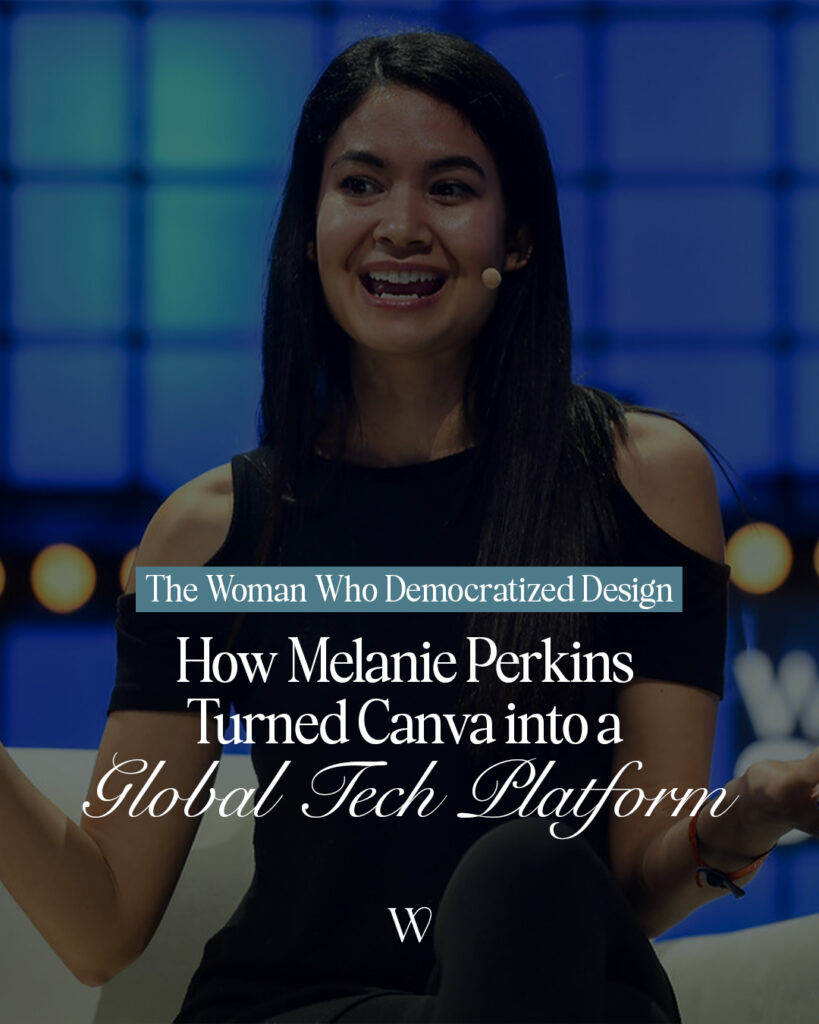
Melanie Perkins co-founded Canva, a graphic design software, in 2013. The company has since revolutionized graphic design by making it simple and accessible to everyone. Even more inspiring is how she runs Canva, which is known for offering its employees benefits such as free meals, work flexibility, and an annual “Vibe & Thrive” allowance that employees can use on wellness and self-development.
Sim Kaur founded Girls That Invest, a podcast that has since spawned a huge online following and a published book, helping millions of women improve their financial literacy and learn how to invest and make money.
“I realised that minorities and women were being excluded from the investing world. Girls That Invest was founded on the principle that investing should be for everyone,” Sim shares about what inspired her to focus on sharing investing knowledge catered to women.
Reshma Saujani founded Girls Who Code, an organization that aims to close the gender gap in the technology industry by empowering girls with coding skills. Since its founding in 2012, Girls Who Code has taught over 760,000 girls and nonbinary individuals to code through their immersion programs and clubs. Thanks to their worldwide reach, they’re now on track to close the gender gap in entry-level tech jobs by 2030.
Whitney Wolfe Herd founded Bumble, a dating app that empowers women by allowing them to make the first move, ushering in a safer online dating experience. In 2021, at just 31 years old, she also became the youngest female CEO to take a company public. Now, Bumble not only helps women find romantic relationships, but also to make new friendships through Bumble BFF, and even grow their professional network on Bumble Bizz.
It’s inspiring to see more and more women break the glass ceiling and solve real-world problems with their businesses.
But there’s also a lot more work to do to support female entrepreneurs.
Funding is one of the biggest challenges for women-owned companies. A report by Founders Forum Group shows that only 2.3% of the $289 billion funds invested globally went to women-led startups in 2024.
A study from the University of Colorado also found that female entrepreneurs have difficulties with finding support, whether through mentorships or peer support.
The rise of women in business is not a trend, but long-overdue progress. Women’s talents, hard work, and innovation have always been there because leadership and entrepreneurship were never gendered to begin with.
If women are starting nearly half of new businesses yet receiving only a fraction of venture funding, the issue lies not with capability but access. Governments, investors, and the business community must do more to support women through policy, funding, and more inclusive networks.
Women have already proven they can build billion-dollar companies. The real question is who is willing to fund, support, and scale their ideas.
Sources:
- https://www.axios.com/2025/06/03/fortune-500-women-ceos
- https://gusto.com/resources/gusto-insights/new-business-formation-report-2025
- https://ff.co/women-funding-statistics-2025/
- https://www.colorado.edu/today/2025/02/20/female-entrepreneurs-face-hidden-barriers-mentorship-networks
Bio:
Sanne is a marketer by profession and a writer by passion. When she’s not working, she’s either working through her TBR pile, planning her next trip, or forcing her cats to cuddle.