
In the last decade, women have dominated the Best New Artist category at the Grammy Awards, the most prestigious award-giving body in music.
With these wins, though, come the naysayers.
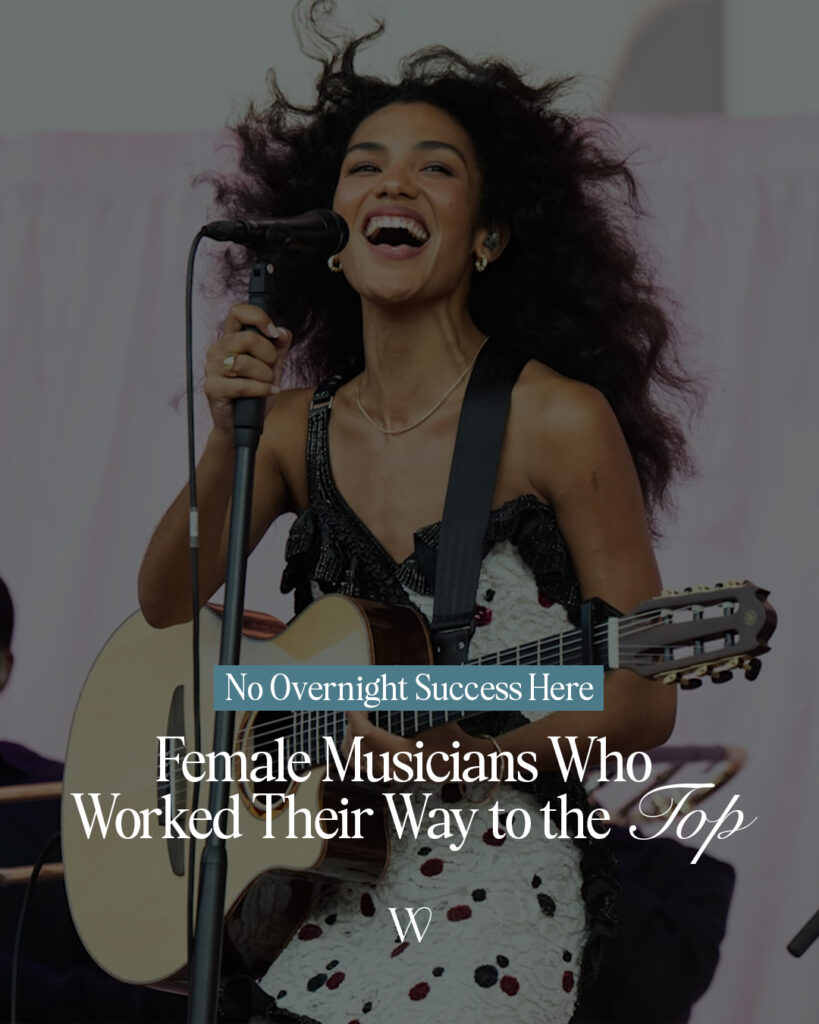
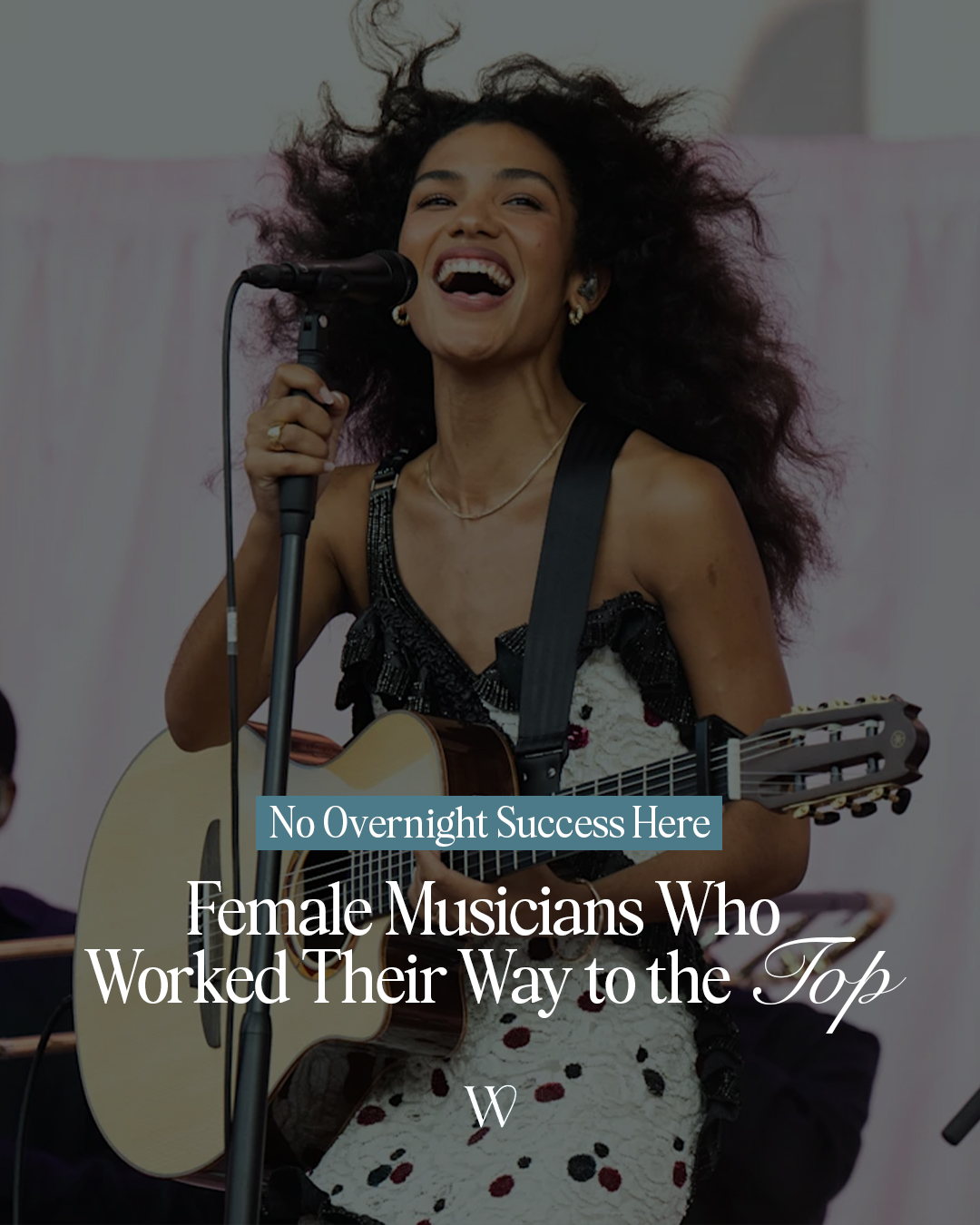
Take the 2026 winner, Olivia Dean. Following her win, social network X was littered with users (mostly men) claiming that Olivia was an industry plant, that she was an overnight success who won just because of her recent hit, “Man I Need.”
And yet, Olivia Dean has been releasing music since 2018.
She just fit the Grammy Award’s Best New Artist category since they consider an artist’s breakthrough year for category nomination, not the year they started releasing music.
In reality, Olivia has been releasing music and touring in her home country UK, before she received wider recognition. Before the worldwide fame and Grammy nominations, Olivia already built a following through intimate live shows and music that’s focused on warmth, vulnerability, and craft over virality.
Today’s music industry is undoubtedly focused on virality. Old songs get a new lease on life as they get mashed up with other songs on TikTok, and new releases get a boost when they combine a catchy sound clip with fun choreography. Because of this, it’s easy to throw the term ‘overnight success’ at musicians, especially female pop stars who currently dominate the airwaves.
But behind these ‘overnight success’ allegations is usually years of hard work, redirection, and reinvention for female musicians.
Victoria Monét is one example.
She first got her start as a songwriter, writing hits for other musicians. Her frequent collaborators include Ariana Grande, for whom she wrote “Honeymoon Avenue,” “Thank U, Next,” “7 Rings,” “needy,” and “34+35.” She also helped compose “Ice Cream” by BLACKPINK and Selena Gomez.
Victoria was already a successful, sought-after songwriter, but she was also a talented singer. When she finally pursued a recording career, her 2020 EP Jaguar received critical acclaim. Her studio album Jaguar II helped her break through commercially, which earned her a Grammy nomination for Record of the Year in 2024.
That same year, Victoria received seven Grammy nominations, winning three of them: Best New Artist, Best Engineered Album (Non-Classical), and Best R&B album.
Victoria’s story is definitely not one of an overnight success, but a lesson in not rushing your own time in the spotlight.
In the time that she wrote hits for others and found success in her own music, she also became a mother, a rare feat achieved by female pop stars, who usually suffer ageism. She proved that pop stardom doesn’t have an expiration date, and true talent deserves a chance away from the shadows.
Sabrina Carpenter is another female pop star who recently reached mainstream success.
Since she was a child, Sabrina has been acting in Disney sitcoms and releasing albums under their music arm, Hollywood Records, to minimal traction and success.
Her time finally came with the release of her album Emails I Can’t Send, the first album where she was more involved with songwriting, drawing from her personal experiences and heartbreaks. This more mature sound found fame in her song “Nonsense,” where she went viral for her spontaneous Nonsense outros when performed live. People looked forward to what she would come up with on every stop, and it allowed her to embrace a grown-up branding away from her Disney persona. She brought these Nonsense outros to Taylor Swift’s Eras Tour, where she was the opener from 2023 to 2024.
Sabrina reached pop stardom with “Espresso,” which fully welcomed her new era with a vintage look and sharper lyricism infused with humor and self-awareness.
She has since released two more well-received albums since the success of “Espresso,” with her long-awaited breakthrough finally coming after years of refining her voice and branding until she found her own place within pop stardom.
The stories of Olivia Dean, Victoria Monét, and Sabrina Carpenter reveal how misleading the idea of an “overnight success” can be, especially for women in music.
Long before the awards, viral moments, and chart-topping singles, there were years spent writing for others, performing in small venues, experimenting with sound, and slowly building an audience. Their so-called breakthroughs are not a sudden rise to fame, but the point where their persistence finally reaches wider visibility.
Yet the myth of the overnight success persists, and it often erases the hard work women invested in their careers. When female artists evolve, change direction, or take time to refine their sound, their journeys are more likely to be framed as inconsistency or luck rather than growth. In reality, women navigate additional pressures: expectations to constantly refresh their image, ageism, and prejudice that shortens perceived career timelines, all while discovering their sound and honing their craft.
The myth of the overnight success also offers a lesson that extends far beyond music. Whether in entertainment, business, or other fields, women’s paths to success are rarely linear. Growth may look like pivots, reinventions, or redirections that only make sense in hindsight.
The careers of Olivia, Victoria, and Sabrina also remind us that longevity, persistence, and craft still matter. Especially in an industry obsessed with the next viral star, success is rarely about appearing overnight. More often, it’s about persevering and staying the course until the world finally recognizes the great work you’ve been doing all along.
Bio:
Sanne is a marketer by profession and a writer by passion. When she’s not working, she’s either working through her TBR pile, planning her next trip, or forcing her cats to cuddle.